
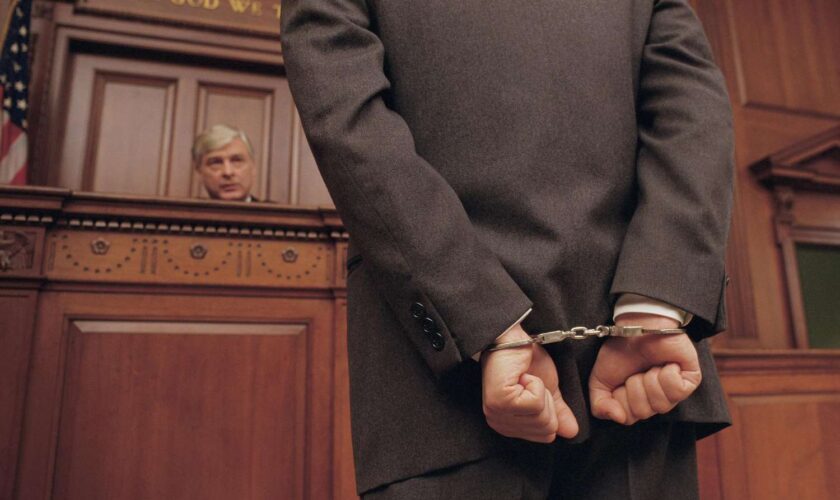
The criminal court is one of the most fundamental pillars of the justice system, tasked with determining the guilt or innocence of individuals accused of violating the law. This institution plays a crucial role in maintaining order, ensuring accountability, and protecting the rights of both victims and the accused. Understanding how criminal courts operate—its structure, processes, and key players—helps demystify a process that impacts society in profound ways. This article will explore the inner workings of criminal courts, from the different stages of a criminal trial to the rights of defendants and the ultimate goals of the criminal justice system.
The Role and Purpose of Criminal Courts
Criminal courts are designed to address allegations of criminal conduct, determine the facts of a case, and ensure the proper administration of justice. Their main goal is to ensure that individuals accused of crimes are held accountable if proven guilty, while also protecting the rights of the accused to a fair trial. Criminal courts maintain order, uphold the rule of law, and work to deter criminal behavior by delivering appropriate sentences to convicted individuals.
Upholding Justice and Accountability
Criminal courts act as impartial forums where the state, represented by the prosecutor, brings charges against a defendant accused of committing a crime. These courts seek to establish whether the defendant committed the crime beyond a reasonable doubt. If the defendant is found guilty, the court ensures that appropriate sentencing follows, serving both as a deterrent to future crimes and a means of rehabilitation for the convicted.
Criminal courts also protect the rights of individuals who are accused. In the spirit of fairness, every defendant is presumed innocent until proven guilty. The criminal court system is designed to balance the scales between law enforcement and the rights of the accused, ensuring that due process is followed at every stage of the legal proceedings.
The Structure of Criminal Courts
Criminal courts are typically organized at different levels, ranging from local trial courts to appellate courts, depending on the severity of the crime and the jurisdiction.
Trial Courts:
Trial courts are the initial venues where criminal cases are heard. They are responsible for determining whether the accused is guilty or innocent based on the evidence presented. In these courts, judges preside over trials, ensuring fairness in proceedings, while a jury (in some cases) determines the facts. Criminal trial courts are usually categorized into two main divisions:
-
Felony Courts: These courts handle more serious offenses, such as murder, robbery, and assault. Felony charges typically carry more severe penalties, including long prison sentences.
-
Misdemeanor Courts: Misdemeanor courts deal with less severe crimes, such as petty theft, public intoxication, or vandalism. Penalties for misdemeanors usually involve shorter jail sentences, probation, or fines.
Appellate Courts:
If a defendant believes that a trial court has made a legal error, they may appeal the decision to an appellate court. Appellate courts do not hear new evidence but instead review the legal aspects of the case. These courts examine whether the trial was fair and whether the law was applied correctly. Appellate courts can uphold the original decision, reverse it, or order a new trial.
Specialized Courts:
In some jurisdictions, there are specialized criminal courts that focus on specific types of offenses, such as drug-related crimes or domestic violence. These courts often offer alternative sentencing options, such as rehabilitation programs, counseling, or community service, in an effort to reduce recidivism and address the root causes of criminal behavior.
The Criminal Court Process: Step by Step
The criminal trial process is a multi-step procedure designed to ensure fairness and justice. The following provides a general outline of how a criminal trial unfolds:
1. Arrest and Charging
The process begins when an individual is arrested by law enforcement officers who believe they have committed a crime. After an arrest, the accused is brought before a court, where formal charges are read. The charges are typically brought by a prosecutor, and the defendant is informed of their rights.
2. Arraignment
At the arraignment, the accused appears before a judge to hear the formal charges and enter a plea. The defendant can plead guilty, not guilty, or no contest. If the defendant pleads guilty, the case may move directly to sentencing. If they plead not guilty, the case proceeds to the next stage of pretrial motions and trial.
3. Pretrial Motions and Discovery
Before the trial begins, both the prosecution and defense exchange information through the process of discovery. This includes sharing evidence, witness lists, and other relevant materials. Pretrial motions may also be filed to address issues such as the exclusion of certain evidence, the dismissal of charges, or the admissibility of testimony.
4. Trial
If the case goes to trial, the process begins with jury selection (if applicable) and opening statements. The prosecution and defense present their cases through witness testimony, expert opinions, and evidence. The prosecution has the burden of proving the defendant’s guilt beyond a reasonable doubt. The defense, on the other hand, may present evidence and cross-examine witnesses to cast doubt on the prosecution’s case.
-
The Prosecution’s Case: The prosecution presents evidence and calls witnesses to testify, attempting to prove that the defendant committed the crime.
-
The Defense’s Case: The defense can challenge the evidence presented, offer alternative explanations, or raise doubts about the prosecution’s claims.
-
Closing Arguments: After both sides have presented their cases, closing arguments are made, summarizing the evidence and attempting to persuade the judge or jury of their stance.
5. Verdict
After closing arguments, the judge or jury deliberates and reaches a verdict. In a jury trial, the jury must unanimously agree on the defendant’s guilt or innocence. If the jury finds the defendant guilty, a sentencing hearing will be scheduled. If the jury finds the defendant not guilty, the case is dismissed, and the defendant is free to go.
6. Sentencing
If the defendant is found guilty, the judge will determine the appropriate sentence. Sentencing can include a range of options, such as prison time, probation, fines, or rehabilitation programs. Factors such as the severity of the crime, the defendant’s criminal history, and mitigating circumstances are all considered when determining the sentence.
Key Players in the Criminal Court
A criminal trial involves several key participants, each playing a distinct role in the proceedings:
-
The Judge: The judge oversees the trial, ensures that the law is followed, and makes rulings on legal issues, such as the admissibility of evidence. In some cases, the judge may also determine the sentence.
-
The Prosecutor: The prosecutor represents the state or government and is responsible for presenting the case against the accused. The prosecutor must prove the defendant’s guilt beyond a reasonable doubt.
-
The Defense Attorney: The defense attorney represents the accused and works to protect their rights throughout the trial. They may challenge the evidence, cross-examine witnesses, and present a defense to the charges.
-
The Jury: In jury trials, the jury is tasked with determining the facts of the case and delivering a verdict of guilty or not guilty based on the evidence presented.
-
The Defendant: The defendant is the individual who has been accused of committing a crime. They have the right to a fair trial and to be represented by legal counsel.
The Importance of Fairness and Due Process
At the heart of the criminal court system lies the principle of fairness. The right to a fair trial is a cornerstone of criminal law, ensuring that the accused is treated justly and that the prosecution meets its burden of proof. Due process guarantees that the defendant’s rights are respected throughout the legal process, from arrest to trial and sentencing.
Protecting the Rights of the Accused
Criminal courts uphold a series of legal protections for defendants, including the right to remain silent, the right to legal counsel, the right to a public trial, and the right to be informed of the charges. These rights are fundamental to ensuring that the accused is not wrongfully convicted and that justice is served.
Conclusion
The criminal court system is a complex and essential component of the justice system, designed to safeguard both society and individual rights. By providing a fair process for determining guilt or innocence, criminal courts ensure that justice is not only done but is seen to be done. While the system is not without its challenges, it remains a crucial mechanism for enforcing the rule of law and ensuring that individuals who violate the law are held accountable for their actions. Understanding the structure and functioning of criminal courts is key to appreciating their importance in maintaining order and fairness within society.